
Baldur’s Gate 3 blends several kinds of RPG appeal: consequential choices, a memorable party, flexible character builds, tactical combat, and co-op that lets friends reshape the campaign together. Few games reproduce that exact combination. The better way to choose your next RPG is to decide which part of BG3 you want more of.
The nine PC games below are grouped by preference rather than ranked. Some use turn-based combat, while others use real-time combat with pause. Co-op availability also varies, so each entry makes those differences clear.
For the Closest Mix of Choice, Combat, and Co-op
Divinity: Original Sin 2 – Definitive Edition
Divinity: Original Sin 2 is the natural first stop if you want another party-based RPG from Larian Studios. You can choose an Origin character or create your own, recruit companions, and make decisions that carry consequences throughout the campaign. Its story and rules are separate from Dungeons & Dragons, but its freedom to experiment should feel familiar.
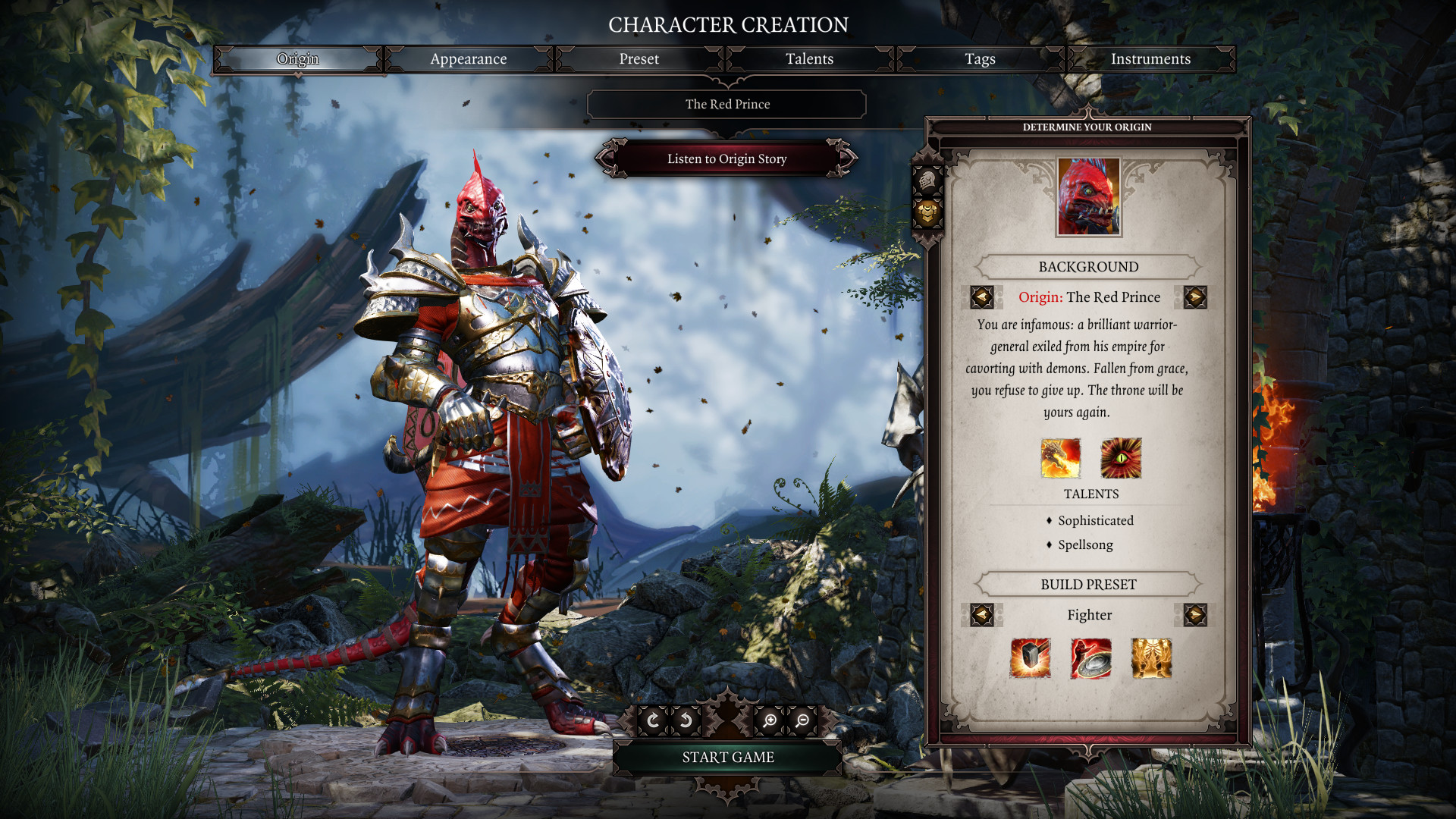
Combat is turn-based and heavily influenced by terrain. Height, elemental surfaces, and environmental interactions can turn a straightforward encounter into a chain reaction. The game supports drop-in/drop-out co-op for up to four players, either online or through local split screen. Pick it if the appeal of BG3 was seeing a carefully prepared plan succeed—or watching it collapse in a spectacular way.
Solasta: Crown of the Magister
Solasta: Crown of the Magister is a strong fit for players who care more about tabletop mechanics than cinematic companion drama. It uses the SRD 5.1 ruleset and puts a four-character party through tactical encounters built around positioning, verticality, light, and familiar dice-based actions.
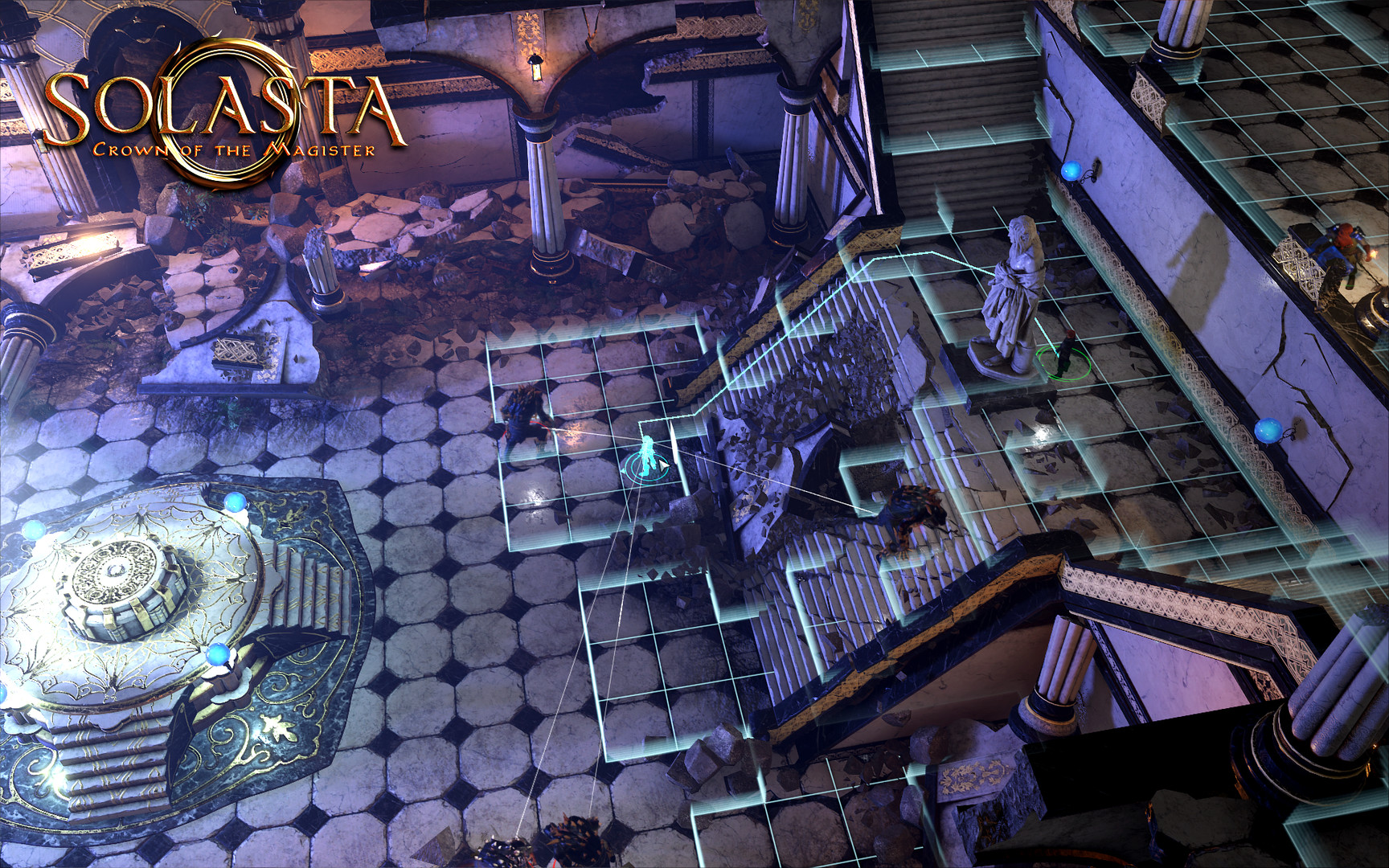
You create all four adventurers, choosing their races, classes, personalities, and stats. That structure provides plenty of build control, but it doesn’t recreate BG3’s model of one protagonist traveling with deeply authored companions. Solasta supports two-to-four-player online co-op across its official campaigns and compatible custom campaigns.
For Deep Character Builds and Consequential Choices
Pathfinder: Wrath of the Righteous – Enhanced Edition
Pathfinder: Wrath of the Righteous is aimed at players who enjoyed spending almost as much time on their character sheet as they did in combat. Its Pathfinder First Edition rules support 25 classes, 12 races, and more than 1,000 spells, feats, and abilities. That depth can be demanding, but it gives dedicated build planners a large toolbox.
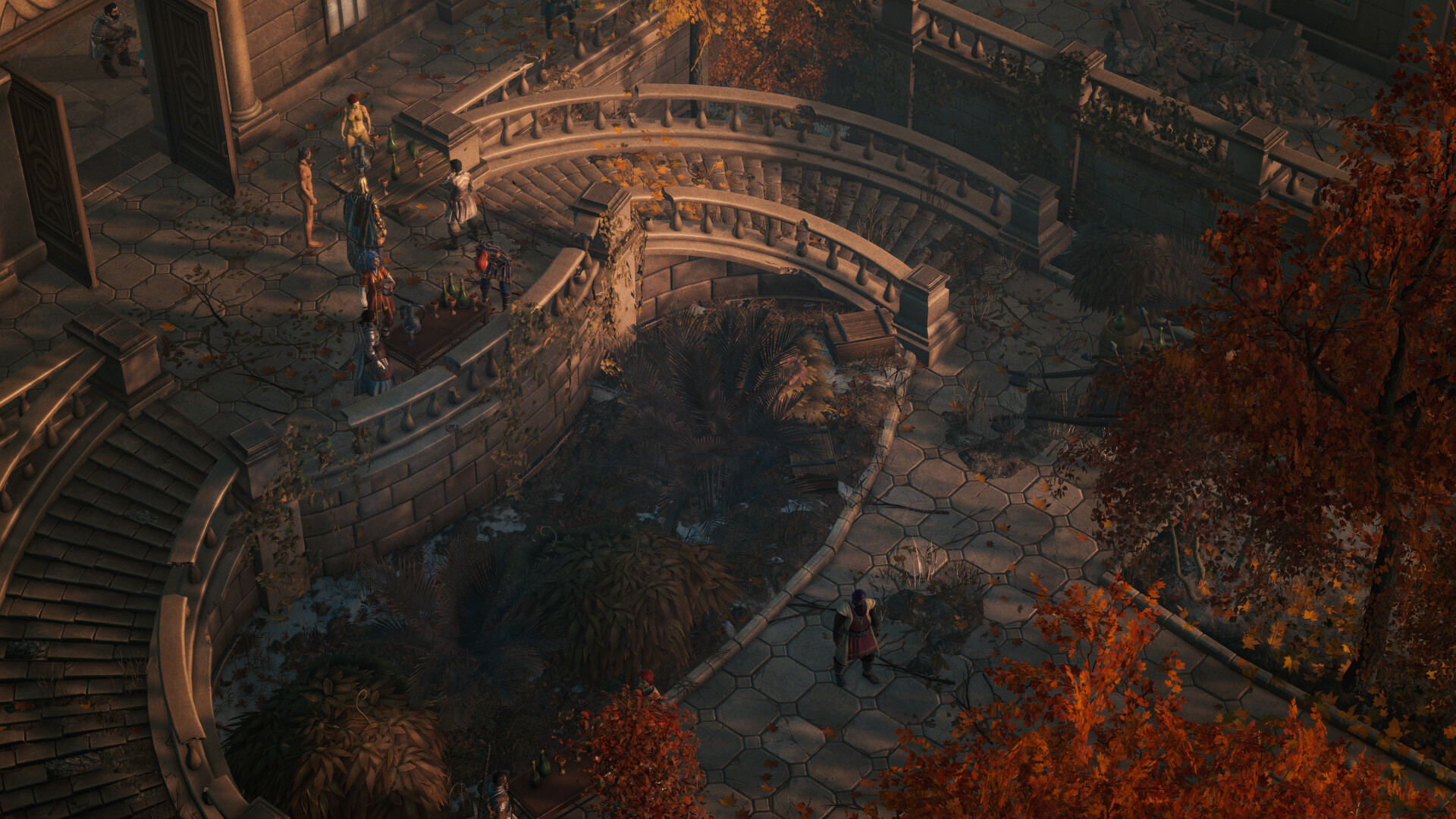
The campaign also tracks choices that affect the world and the people around you. More than 10 companions can join the party, and their trust isn’t guaranteed. Combat can run in real time with pause or in turn-based mode, with the option to switch between them during play. This is a single-player game, so choose it for mechanical depth and branching role-play rather than co-op.
Pillars of Eternity II: Deadfire
Pillars of Eternity II: Deadfire suits players who want a party-driven adventure with more emphasis on companion relationships and exploration. Companions respond to your decisions and to one another, giving the group its own shifting social dynamics as you travel through the Deadfire Archipelago.
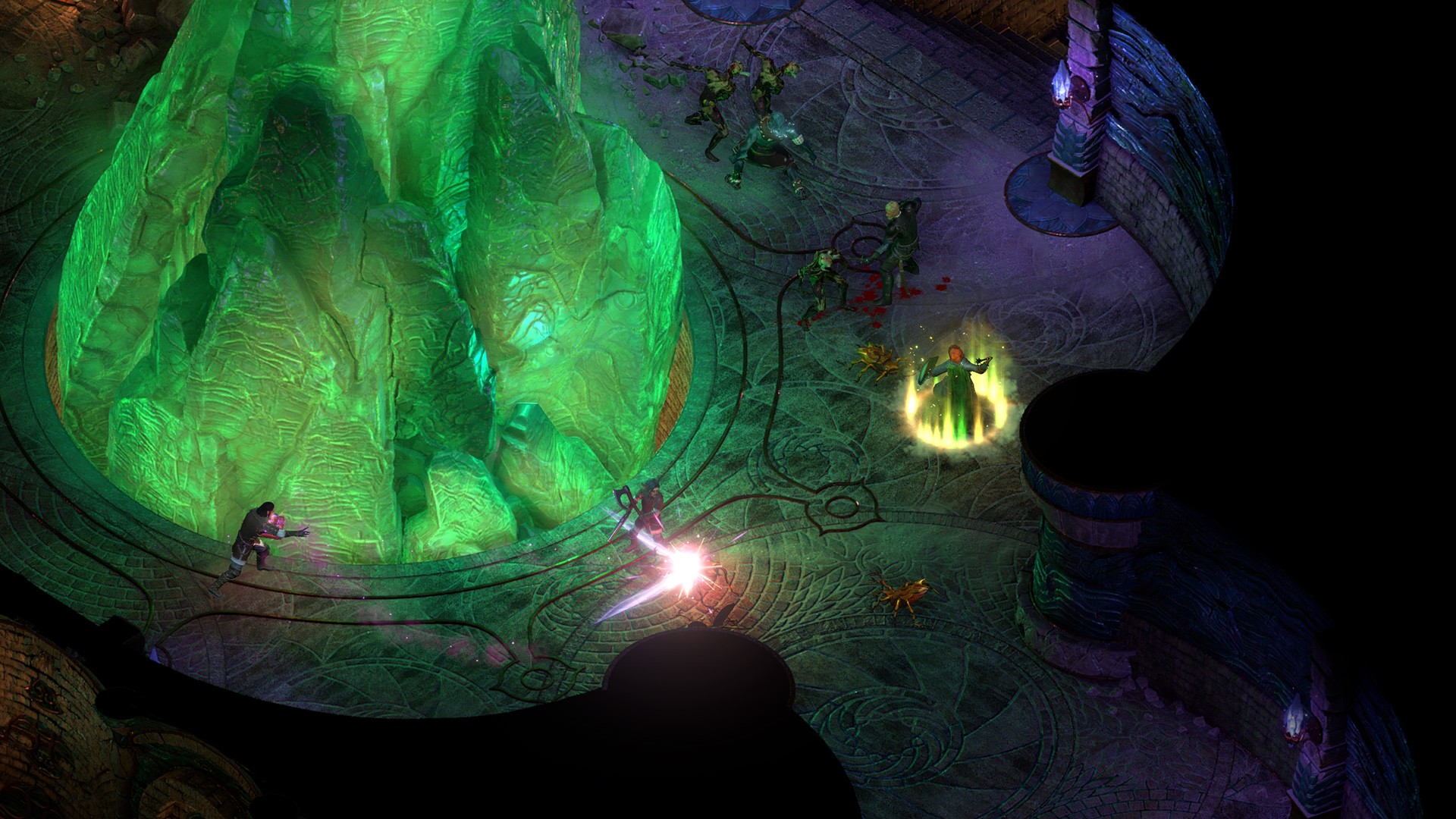
The game supports both its original real-time-with-pause combat and a turn-based mode added after launch. Unlike Pathfinder: Wrath of the Righteous, your selected combat mode applies to that playthrough rather than being something you freely toggle during a fight. Deadfire is single-player, but its party building, character customization, and reactive relationships give BG3 fans several familiar systems to work with.
Tyranny
Tyranny focuses on a different kind of fantasy power trip: the conquering tyrant has already won, and your character helps decide what the new order becomes. Its choices can alter alliances, enemies, factions, and parts of the world itself. That makes it a good follow-up for players who were drawn to BG3’s morally uncomfortable decisions and branching outcomes.
Memorable companions join a customizable protagonist in tactical, party-based battles. Combat is real-time with pause, not turn-based, and there’s no co-op. Tyranny earns its place here through its reactivity and unusual approach to morality rather than mechanical similarity to BG3.
For Turn-Based Tactics in a Different Setting
Warhammer 40,000: Rogue Trader
Warhammer 40,000: Rogue Trader moves the party-based CRPG formula from fantasy ruins to the far reaches of the Imperium. Your companions offer advice, fight beside you, and pursue personal stories whose outcomes can change through your involvement. Decisions made during quests—and even parts of character creation—can affect the game world and its inhabitants.
Battles are isometric and turn-based, with cover, positioning, environmental features, and companion abilities shaping each encounter. Online co-op is available on PC, although players shouldn’t expect BG3’s setting or D&D rules. Choose Rogue Trader if you want consequential decisions and tactical party combat but would welcome a much darker science-fiction backdrop.
Wasteland 3
Wasteland 3 replaces swords and spellbooks with a post-nuclear Colorado full of rival groups and difficult bargains. Its reactive story tracks decisions that can open or close missions, locations, and story arcs. Your choices can also change how the people of Colorado view your squad.
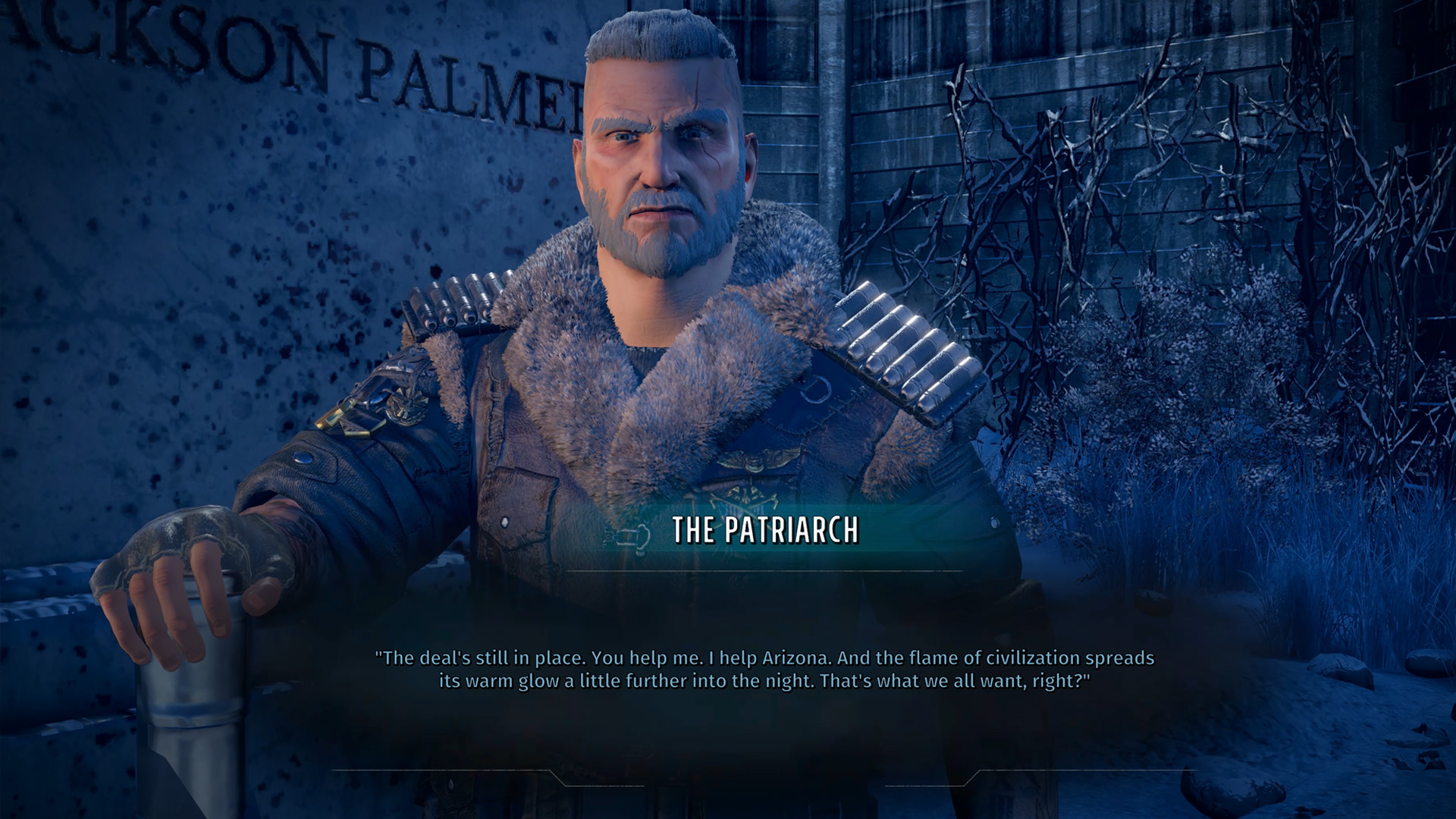
Combat is tactical and turn-based, while a detailed creation system lets you shape a squad of up to six Rangers with different skills, perks, and quirks. You can play alone or bring one friend into the story-driven co-op campaign. It’s a useful option for two players who want shared decision-making but don’t need BG3’s fantasy setting or four-player party structure.
Expeditions: Rome
Expeditions: Rome is for players who want tactical party combat and branching decisions without magic or monsters. You create a Roman Legatus, choosing the character’s appearance, gender, class, and skills before navigating military campaigns and political intrigue.
Turn-based battles use a skill-focused action system, and five authored companions bring their own histories and personalities to the journey. Decisions can affect those companions, your legion, and Rome itself. Character leveling, equipment, and passive abilities support different tactical approaches, while the broader campaign adds legion management. It’s strictly single-player.
For Classic Fantasy Companions and Moral Choices
Dragon Age: Origins – Ultimate Edition
Dragon Age: Origins remains relevant to BG3 fans because it centers a customizable hero, a recruitable party, complex moral choices, and relationships formed during a dangerous fantasy journey. The Ultimate Edition on PC includes the base game, the Awakening expansion, and all nine content packs.
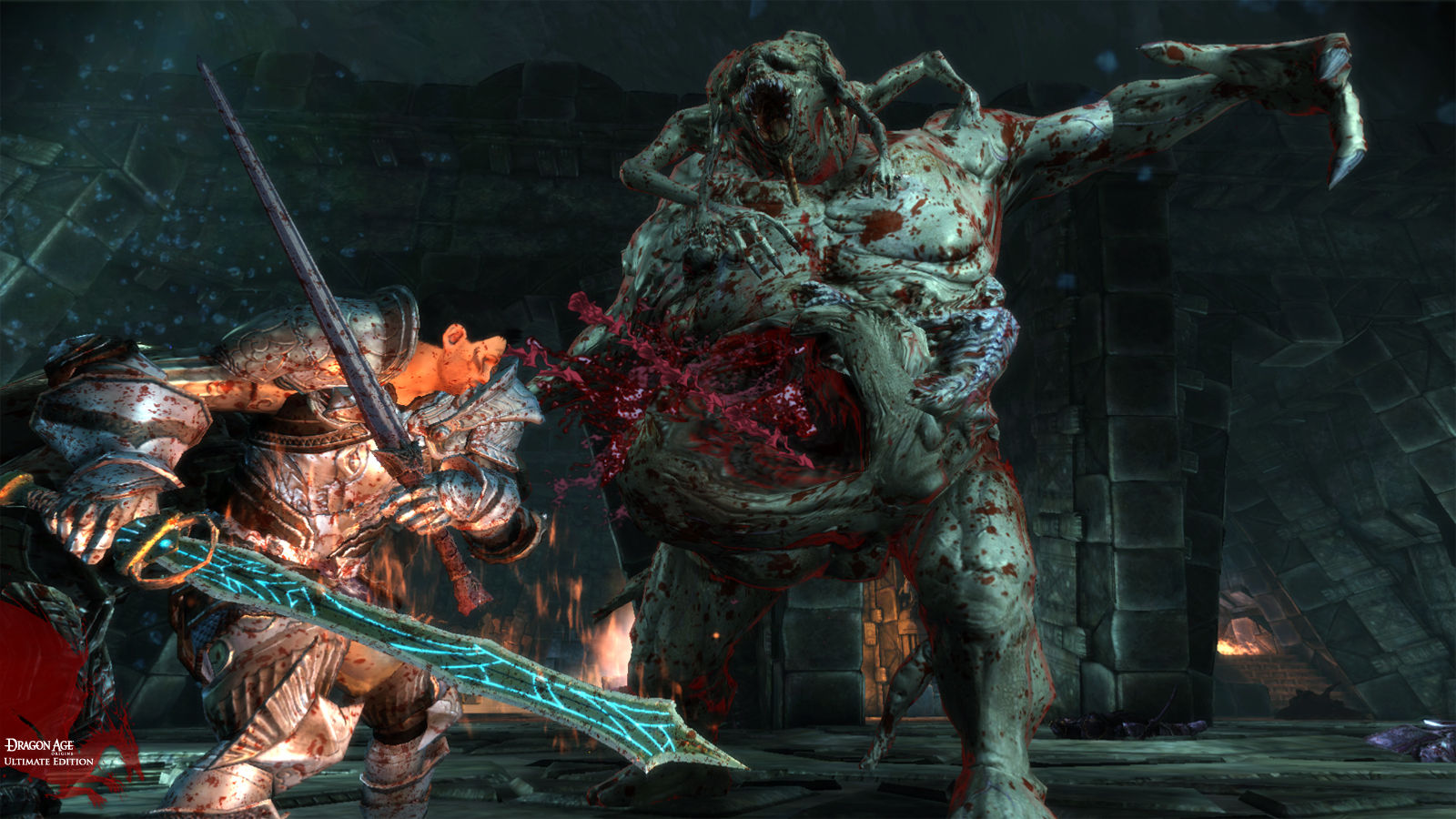
Its battles use real-time combat with pause rather than a turn-based system, and the campaign is single-player. It’s also an older Windows release, so its legacy system requirements shouldn’t be treated as a promise of trouble-free performance on every modern setup. Choose it if party conversations, moral decisions, and classic BioWare character writing matter more to you than matching BG3’s combat format.
Which BG3-Like RPG Should You Play Next?
For another four-player Larian campaign with environmental turn-based combat, start with Divinity: Original Sin 2. Solasta is the more mechanics-focused option for a group that wants SRD 5.1 combat and a fully created party. Wasteland 3 supports two-player co-op, while Rogue Trader offers online co-op in a Warhammer 40,000 setting.
If you’re playing alone, Pathfinder: Wrath of the Righteous offers extensive character building and a choice between turn-based and real-time-with-pause combat. Deadfire emphasizes companion relationships and exploration, while Tyranny puts world-altering decisions at the center. Expeditions: Rome provides historical tactics and political choices, and Dragon Age: Origins remains a natural option for players seeking classic fantasy companions.
None of these games duplicates every part of Baldur’s Gate 3. Matching the feature you value most—co-op, tactical turns, character builds, companions, or story reactivity—will lead to a better choice than treating every party-based RPG as interchangeable.
Sources
Feature and PC-platform details were checked against the official Steam pages for Baldur’s Gate 3, Divinity: Original Sin 2, Solasta, Pathfinder: Wrath of the Righteous, Rogue Trader, Wasteland 3, Deadfire, Expeditions: Rome, Tyranny, and Dragon Age: Origins, plus official developer pages for Solasta multiplayer, Deadfire, and Rogue Trader.
0 개의 댓글:
댓글 쓰기